

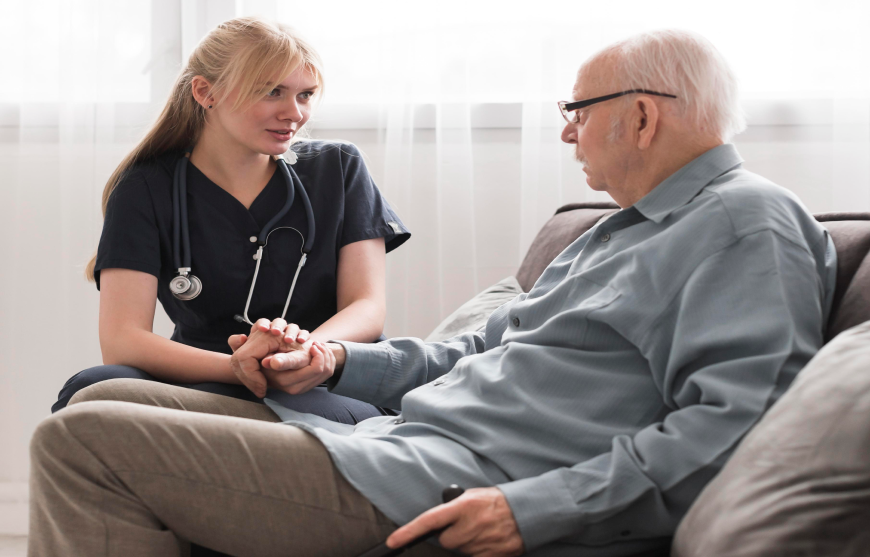
Understanding Acquired Brain Injury
Acquired Brain Injury refers to any damage to the brain that occurs after birth and is not related to a genetic or congenital condition. This type of injury can happen suddenly or develop over time depending on the cause. Many people are unfamiliar with how complex and life changing Acquired Brain Injury can be until they or someone close to them experiences it. The condition affects individuals of all ages and backgrounds and often brings unexpected challenges. Physical abilities emotional stability and cognitive function can all be affected in different ways. Because the brain controls every part of the body even minor injuries can have significant effects. Understanding Acquired Brain Injury is essential for early support proper care and improved quality of life.
Common Causes of Acquired Brain Injury
There are many events and medical conditions that can lead to Acquired Brain Injury. Some causes happen instantly while others develop due to illness or lack of oxygen. Traumatic incidents are one of the most recognized causes but they are not the only ones. Non traumatic causes are just as serious and often less visible at first. Each cause affects the brain differently which influences recovery and long term needs. Awareness of these causes helps individuals take preventive measures when possible. It also allows families to understand how the injury occurred and what challenges may follow.
Sub head Causes to be aware of
- Falls especially among older adults and young children
- Motor vehicle accidents including car motorcycle and pedestrian incidents
- Sports and recreational injuries
- Stroke and brain hemorrhage
- Oxygen deprivation from near drowning or cardiac arrest
- Brain infections such as meningitis or encephalitis
Types of Acquired Brain Injury
Acquired Brain Injury can be categorized into two main types based on how the injury occurs. Traumatic Brain Injury results from an external force impacting the head. Non traumatic brain injuries occur due to internal factors like medical conditions or lack of oxygen. Each type has unique characteristics and treatment needs. Some injuries are mild and temporary while others cause permanent changes. The classification of the injury often determines the rehabilitation plan. Understanding the type of Acquired Brain Injury helps medical professionals provide targeted care. It also helps families set realistic expectations for recovery.
Physical Cognitive and Emotional Effects of Acquired Brain Injury
The effects of Acquired Brain Injury vary widely from person to person. Physical effects may include weakness loss of balance or chronic fatigue. Some individuals experience difficulty with speech or swallowing. Cognitive changes are also common and may involve memory problems attention difficulties or slower processing speed. Emotional and behavioral changes can be particularly challenging for both the individual and their loved ones. Mood swings anxiety depression and reduced impulse control may appear even if they were not present before. These combined effects can impact relationships employment and independence. Ongoing support is essential to help individuals adjust and regain confidence.
Diagnosing Acquired Brain Injury
Diagnosing Acquired Brain Injury involves a detailed and careful medical process. Doctors often begin with a physical and neurological examination. Imaging tests such as CT scans or MRI scans are commonly used to identify damage. Cognitive assessments help evaluate memory reasoning and attention. Diagnosis is not always immediate especially in mild cases where symptoms appear gradually. Accurate diagnosis is critical for planning treatment and rehabilitation. Early detection improves outcomes and helps prevent further complications. Collaboration between specialists ensures a comprehensive understanding of the injury.
Treatment and Rehabilitation Options
Treatment for Acquired Brain Injury usually begins with addressing immediate medical needs. Once stabilized rehabilitation becomes the focus. Rehabilitation is not a one size fits all process and must be personalized. Physical therapy helps improve movement strength and coordination. Occupational therapy focuses on daily living skills and independence. Speech and language therapy supports communication and swallowing abilities. Cognitive rehabilitation targets memory problem solving and focus. Emotional and psychological support is equally important throughout the recovery journey.
Sub head Core rehabilitation approaches
- Physical therapy for mobility and strength
- Occupational therapy for daily tasks
- Speech and language therapy for communication
- Cognitive therapy for mental function
- Psychological counseling for emotional wellbeing
Long Term Living With Acquired Brain Injury
Living with Acquired Brain Injury often requires long term adjustments. Some individuals regain independence while others need ongoing support. Daily routines may need to be modified to manage fatigue and stress. Assistive devices and home adaptations can improve safety and comfort. Employment and education may require accommodations or alternative arrangements. Family members often play a vital role in providing care and encouragement. Community resources and support services can significantly enhance quality of life. With the right support individuals can still lead fulfilling and meaningful lives.
Prevention and Risk Reduction Strategies
While not all cases of Acquired Brain Injury can be prevented many risks can be reduced. Wearing protective gear during sports and recreational activities is crucial. Fall prevention measures such as proper lighting and handrails are especially important for older adults. Managing cardiovascular health reduces the risk of stroke related brain injury. Prompt medical attention during emergencies can minimize damage. Public education plays a key role in prevention. Understanding warning signs and acting quickly saves lives. Prevention efforts protect individuals families and communities alike.
Frequently Asked Questions About Acquired Brain Injury
What is the difference between Acquired Brain Injury and Traumatic Brain Injury
Traumatic Brain Injury is a type of Acquired Brain Injury caused by an external force. Acquired Brain Injury also includes non traumatic causes like stroke or oxygen deprivation.
Can someone fully recover from Acquired Brain Injury
Recovery varies depending on the severity and location of the injury. Some people recover fully while others experience long term effects. Rehabilitation greatly influences outcomes.
How long does rehabilitation take
Rehabilitation can last weeks months or even years. Progress depends on individual needs consistency and access to therapy.
Is Acquired Brain Injury considered a disability
In many cases it is recognized as a disability. This depends on how significantly it affects daily functioning and independence.
What support is available for families and caregivers
Support includes counseling education respite care and community services. These resources help families manage stress and provide effective care.
Takeaway
Acquired Brain Injury is a complex condition that affects every aspect of life. Understanding its causes effects and treatment options empowers individuals and families to make informed decisions. With early diagnosis personalized rehabilitation and strong support systems recovery and adaptation become more achievable. Awareness and prevention reduce future risks while compassion and education strengthen community support. No two experiences are the same yet informed care makes a meaningful difference for everyone affected.
- Appointment Setting Company: How Professional Appointment Setting Services Drive Consistent Sales Growth

- B2B Lead Generation Closers in Modern Revenue Systems

- Outsourced High Ticket Sales: How Businesses Scale Revenue With Expert Closing Teams

- 9 Hidden Secrets of Sales Success

- 5 Quick Sales Questions to Get ANY Prospect to Open Up

- Global Sales Closers: How Elite Remote Closing Teams Drive Revenue Across International Markets

- Remote Sales Closers: How Global Businesses Are Building High-Performance Revenue Teams Without Borders

- Outsourced Sales Closers: Scaling Revenue with High-Performance Remote Closing Systems

- Coaching Sales Closers: Proven Strategies to Build High-Performing Closing Teams in Competitive Markets

- Testimonial: How Matt Gahr and Emburse Increased Bookings 140%